How to Choose a Conference Venue That Keeps Attendees Engaged
Conferences and professional gatherings have a fundamental engagement problem. Attendees sit through session after session in rooms that all look the same, eat catered lunches in generic dining spaces, and network in lobbies that feel like a hotel in any city in America. By mid-afternoon, attention is fading and people are thinking about their commute home.
The venue is often the overlooked variable in this equation. Conference organizers spend considerable energy on content — speakers, agenda, breakout topics — and comparatively little on the environment where that content is delivered. But environment shapes attention and engagement in ways that are real, measurable, and underappreciated.
Choosing the right conference venue isn’t just a logistical decision. It’s a strategic one.
Environment Affects Attention and Energy
The research on learning environments consistently shows that architectural context affects cognitive engagement. Novel spaces — rooms with character, interesting textures, natural light, unexpected elements — hold attention differently than rooms designed to be neutral.
This isn’t just theory. Conference organizers who have moved events from standard hotel ballrooms to distinctive venues consistently report better attendee feedback, more active networking, and higher rates of return at subsequent events. The venue becomes part of the value proposition of attending.
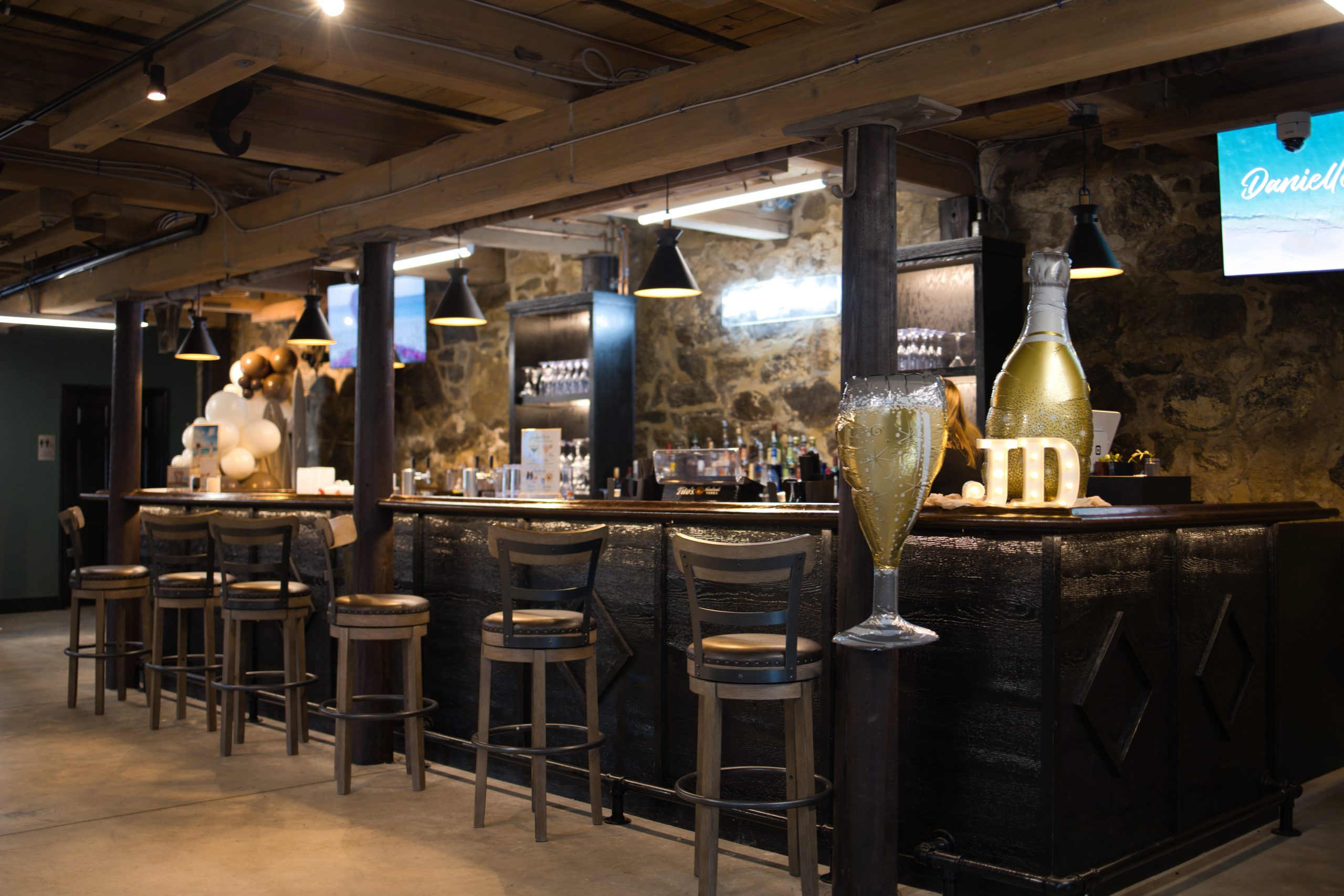
The Falls Event Center in West Warwick offers something that almost no Rhode Island conference venue can match: an event space inside a 19th-century textile mill with exposed brick, timber ceilings, and a working waterfall visible through the windows. The environment itself creates a sense of occasion. Attendees arrive and immediately know this isn’t another hotel meeting room — which puts them in a different mental state than they’d be in otherwise.
The Falls hosts a range of professional and corporate events across its 8,000+ square feet of flexible space.
Match the Layout to the Program Structure
Conference programs have multiple components — plenary sessions, breakout groups, networking periods, meal service — and each component works best in a different physical configuration. A venue with a single large room forces you to set it up one way and leave it, creating awkward compromises between session and social formats.
A multi-room venue allows you to dedicate spaces to specific functions and let attendees flow between them naturally.
At The Falls, the main event space handles plenary sessions and large group gatherings, while the Waterfall Room accommodates intimate breakout discussions and smaller working groups. The Boiler Room with its garage-style glass doors opening to the outdoors works well for networking periods that benefit from less formal spatial cues. The outdoor riverside spaces give people a genuinely different environment for breaks — which has documented benefits for attention and creative thinking.
This kind of spatial variety keeps attendees’ energy higher across a full-day program than any amount of coffee service can accomplish.
Think About the Attendee Experience Between Sessions
What happens during breaks matters as much as what happens during sessions. Breaks are where attendees process what they’ve heard, connect with peers, and build the relationships that are often the most valuable outcome of attending a conference.
A venue that provides interesting spaces for informal conversation — distinct areas with different furniture configurations, access to the outdoors, visual focal points that give people something to talk about — produces better networking outcomes than a venue where the only break option is a hotel corridor.
The Falls’ collection of spaces is designed with this in mind. The waterfall and riverfront access give breaks a different feel entirely. People who stepped outside to look at the waterfall for five minutes come back to the next session with more energy than people who spent their break in a featureless lobby.
Practical Considerations for Conference Logistics
Beyond environment and atmosphere, a few practical elements determine whether a conference venue actually works for your event:
AV capability. Your venue needs to support the technology requirements of your program — presentation screens, microphones, recording capability if you’re producing content. Confirm the venue’s built-in AV infrastructure and what needs to be brought in externally.
Catering flexibility. All-day conferences require coffee service, a mid-morning break, lunch, and an afternoon break at minimum. Understanding how the venue handles catering — whether through an in-house team, a required caterer, or a vendor-flexible model — affects both logistics and cost.
Parking and accessibility. Attendees who struggle to park or who find the venue difficult to access arrive frustrated rather than engaged. Confirm parking capacity relative to expected attendance and whether accessible routes are available.
Acoustic separation. If you’re running concurrent breakout sessions, you need rooms with adequate acoustic separation. Open-plan spaces with low partitions don’t work for sessions happening simultaneously.
Booking a Conference Venue in Rhode Island
The best conference venues in Rhode Island book up — particularly for full-day Friday and Saturday events where demand overlaps with social event bookings. If you have a specific date in mind for your next conference, team retreat, or professional gathering, starting the venue conversation early gives you the most options.
Schedule a private tour of The Falls Event Center to see how the spaces work for your program structure and attendee count. The venue team can walk you through layout options, catering coordination, AV infrastructure, and what comparable events have looked like in the space. Contact The Falls to check availability for your event date.