What Makes an All-Inclusive Wedding Venue Worth It
Wedding planning involves an extraordinary number of moving parts: the venue, the caterer, the bar service, the photographer, the florist, the DJ or band, the officiant, the rentals, the cake, the transportation. Each one is a separate vendor conversation, a separate contract, a separate timeline to coordinate, and a separate bill to track. For many couples, the logistics of managing all of it while still trying to enjoy the engagement period is what makes wedding planning feel so overwhelming.
All-inclusive wedding venues exist to solve this problem. They bundle the major components of a wedding into a single package — one contract, one point of contact, one total cost. For couples who value simplicity and predictability, they can be genuinely transformative. But “all-inclusive” means different things at different venues, and understanding what you’re actually getting — and what you might be giving up — is essential before you sign.
What "All-Inclusive" Actually Covers
There’s no standard definition of all-inclusive in the wedding venue industry, which means two venues can use the same term to describe very different offerings. When evaluating an all-inclusive wedding venue, look at what’s actually included versus what requires an additional fee.
Common inclusions at all-inclusive venues:
- Catering. Either a specific menu or a selection of menu options at different price points. Ask whether this is per-person pricing and what the minimum guest count is.
- Bar service. Open bar packages, beer and wine only, or consumption-based bar. Understand exactly what's included and what triggers an upcharge.
- Tables, chairs, and linens. Basic rentals are often included; specialty linens or upgraded furniture may be additional.
- Venue staff. Setup, breakdown, and event night staffing.
- Basic decor elements. Some all-inclusive venues include centerpieces, lighting packages, or floral minimums. Others provide only the space.
Common exclusions even at “all-inclusive” venues:
- Photography and videography
- Entertainment (DJ or band)
- Floral design beyond basic centerpieces
- Wedding cake Officiant Hair and makeup
- Transportation and accommodations
Read the contract carefully before assuming something is included. The value of an all-inclusive package is real, but only when you understand exactly what’s in it.
The Financial Case for All-Inclusive
One of the most compelling arguments for an all-inclusive venue is budget predictability. When you’re booking vendors separately, the final wedding cost is the sum of many individual decisions made at different points in time by people in different emotional states. The florist meeting happens in an optimistic moment and the scope creeps. The catering tasting leads to upgrades that each seem reasonable individually. The total arrives at a number that was never quite calculated.
An all-inclusive package sets a defined per-person cost or flat package fee. You know your total before you sign. That clarity makes budgeting genuinely manageable rather than an ongoing exercise in optimism.
For many couples, the all-inclusive total also compares favorably to a la carte — particularly because vendors booked as part of a venue package have already been vetted, and the coordination between them is handled by the venue rather than by the couple.
The Case for Vendor Flexibility
Not every couple wants all-inclusive, and that’s a valid position. Couples with strong aesthetic vision, relationships with specific vendors they love, or a desire to support particular small businesses may prefer the freedom to build their own vendor team.
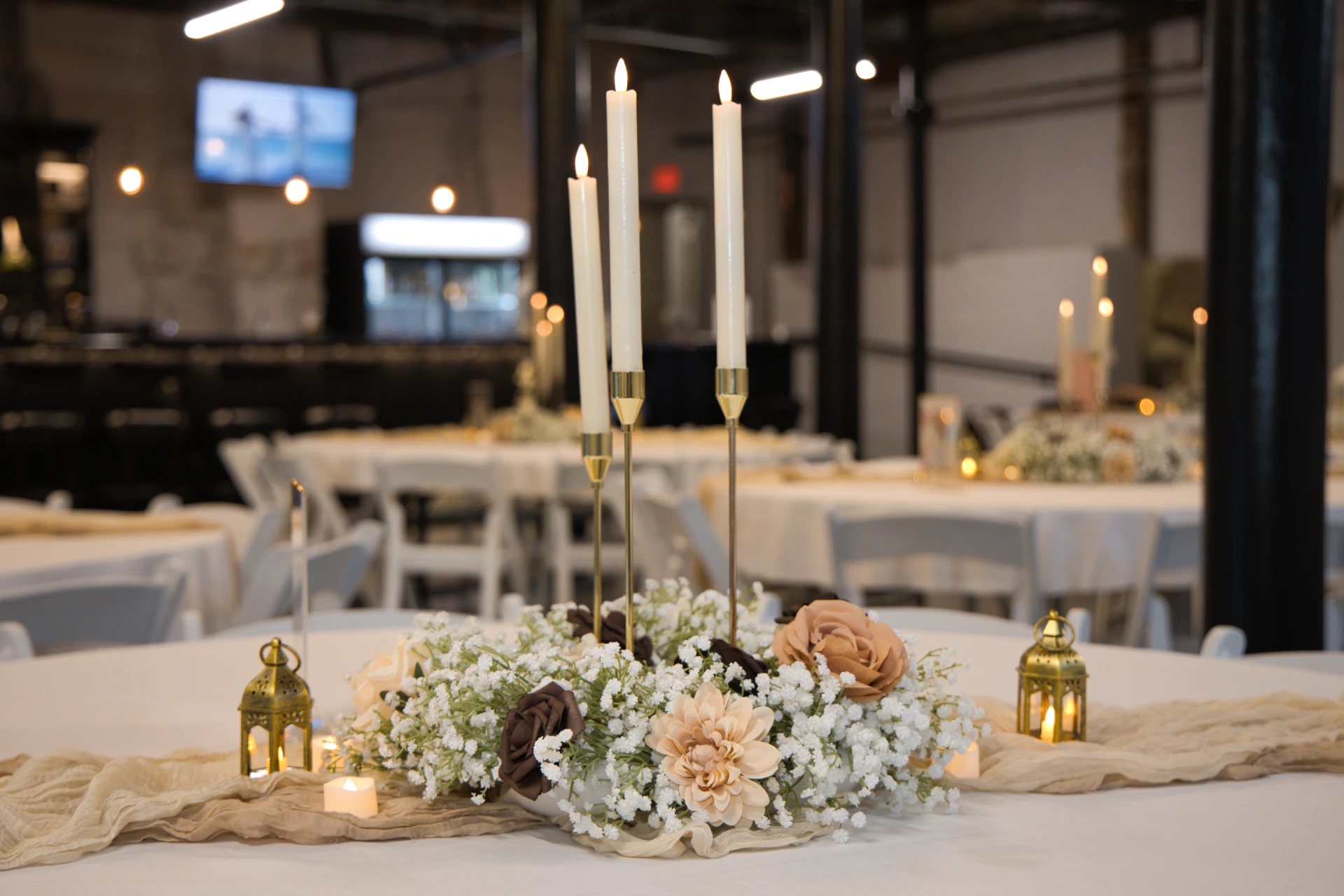
The Falls Event Center in West Warwick operates with a vendor-flexible model — you can bring your own catering team, bar service, photographer, florist, and entertainment, or the venue can provide trusted local referrals. The 19th-century Centreville Mill with its waterfall views and 8,000+ square feet of character-rich space serves as the canvas; how you fill it is up to you.
This model works particularly well for couples who want the visual impact of a distinctive venue without being locked into a specific package. The total cost is still predictable once all vendors are contracted, but the creative control is entirely with the couple. Learn more about how The Falls approaches weddings here.
Questions to Ask Before You Choose
Whether you’re evaluating all-inclusive options or vendor-flexible venues, these questions help you compare accurately:
- What exactly is included in the quoted price, and what triggers an additional fee?
- What is the minimum guest count and how does pricing change at different guest counts?
- Who is my primary point of contact and how do they handle day-of coordination?
- What are the venue's vendor policies — can I bring anyone I want, or are there restrictions?
- What is the backup plan for weather or unexpected issues?
- What does the venue look like at night? (Ask to see photos from evening events, not just daytime shoots.)
Making the Right Choice for Your Situation
There’s no universally correct answer between all-inclusive and vendor-flexible — it depends on your priorities, your planning capacity, and what you value most about the wedding experience. Couples who want simplicity and predictability lean toward all-inclusive. Couples who want creative control lean toward vendor-flexible.
What matters most is choosing a venue that matches your vision and working with a team you trust. <a href=”https://thefallsri.com/book-a-tour/”>Schedule a private tour of The Falls Event Center</a> to see the spaces in person and have a real conversation with the team about how the venue works and what would make your wedding day feel exactly right. Reach out to The Falls to check your date availability.