How to Plan a Nonprofit or Charity Event at a Rhode Island Venue
Nonprofit event planning operates under a constraint that most other event types don’t face: every dollar spent must be justified against the dollars raised. A private birthday party doesn’t have to prove its ROI. A corporate holiday party can treat the entire cost as a team investment. A charity event is always, implicitly, being evaluated against its net return — and the organizations that raise the most are the ones who understand where spending produces the highest return and where it doesn’t.
This isn’t about spending as little as possible. It’s about spending strategically on the things that actually drive giving, while resisting the temptation to spend on things that look impressive but don’t move donors.
Define the Event Type Before Anything Else
Nonprofit events in Rhode Island take several forms, and each one has different planning priorities, cost structures, and giving mechanisms:
A gala or dinner is the highest-revenue format when executed well. It requires significant upfront investment in venue, food, and program, but the concentrated, emotional experience of a well-run gala produces the highest per-donor giving of any event format. Best for organizations with a substantial donor base and strong storytelling capacity.
A cocktail reception is lighter on cost and easier to execute than a full dinner gala, but typically produces lower per-donor giving because the social, standing format reduces emotional intensity. It works best as a cultivation event — building relationships with prospective donors rather than making a primary ask.
A community event or festival is the most accessible format — low ticket price, broad attendance, revenue driven by volume rather than individual gift size. Best for organizations building community profile rather than driving major gifts.
A specific-purpose fundraiser (auction, raffle, run/walk) wraps a specific giving mechanism around a social event. Revenue is more predictable because the mechanism itself drives giving independent of emotional appeals.
Knowing which format you’re using defines everything else: venue requirements, staff and volunteer capacity, marketing approach, and program design.
The Venue's Role in Donor Perception
For any nonprofit event that involves asking donors for a meaningful contribution, the venue sends a signal about the organization’s credibility, its standards, and its expectations for the evening. A venue that feels appropriately elevated — not extravagant, but distinguished — tells donors that they’re being treated as valued partners rather than just wallets in the room.
The Falls Event Center hosts fundraising events for Rhode Island nonprofits and charitable organizations, providing a setting that communicates the right things about any organization that chooses it. The historic Centreville Mill — with its exposed brick, soaring ceilings, and waterfall backdrop — is the kind of space that donors remember and that positions the organization as serious about both its mission and its donor relationships.
The falls’ multi-room layout allows the event to breathe — cocktails and mingling in one space, dinner or program in another, the outdoor waterfall and riverside available for a dramatic visual moment that photographs well and becomes part of the event’s story.Explore the spaces here.
Where to Spend and Where to Save
Based on what actually drives nonprofit event revenue:
Spend on venue and food. These directly affect how donors feel throughout the evening and whether they want to come back next year. A beautiful venue and well-executed food are investments in the donor relationship.
Spend on storytelling. A mission video, a testimonial from a program beneficiary, a speech from someone whose life the organization has affected — these are the emotional drivers of giving. Production quality matters. A poorly produced video in a beautiful venue is worse than no video at all.
Spend on your ask structure. Whether it’s a live appeal, a paddle raise, a silent auction, or a donation card — the mechanism and the person who delivers the ask have enormous impact on results. Invest in coaching the right person to make the ask effectively.
Save on printed materials. Most guests don’t read the program cover to cover. A simple, well-designed one-pager is more effective than an elaborate booklet.
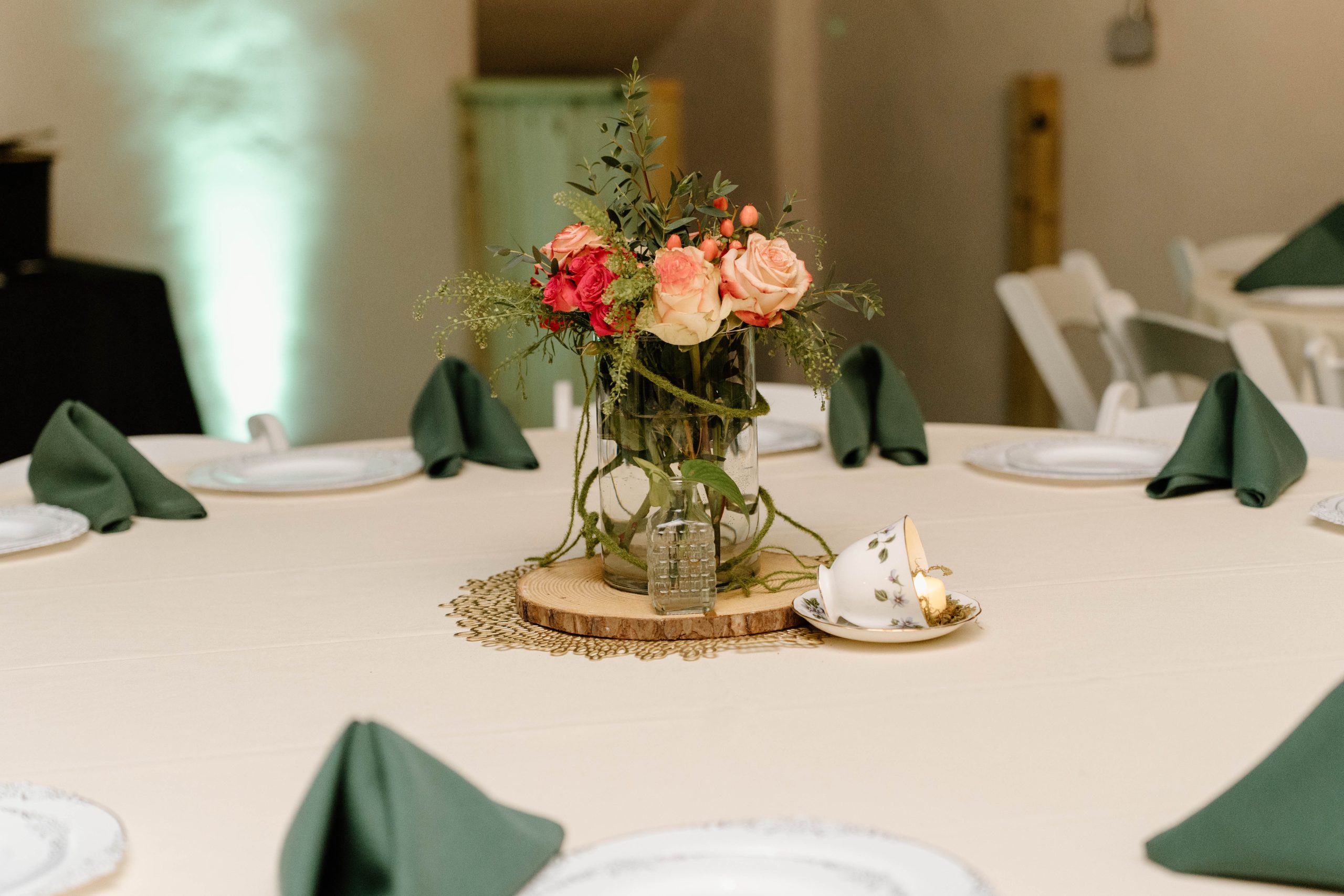
Save on elaborate centerpieces. Guests notice the room; they don’t typically remember specific floral arrangements. Clean, simple, and seasonal is often more effective per dollar than elaborate florals.
Save on entertainment that runs long. An event that runs over its scheduled end time frustrates donors and undermines the positive impression of the evening. Tight program management is free — prioritize it.
The Practical Planning Timeline
For a Rhode Island nonprofit gala or dinner:
- 5 to 6 months out: Secure the venue. Quality event spaces book months in advance, particularly for fall and holiday season dates.
- 4 months out: Confirm keynote speaker or testimonial stories, secure sponsors, launch early ticket sales.
- 3 months out: Finalize program flow, confirm caterer and other vendors, begin auction procurement if applicable.
- 6 weeks out: Finalize attendee count, confirm all program elements, brief the team on their roles.
- 2 weeks out: Confirm every vendor, run a program rehearsal, finalize the ask script with whoever is delivering it.
Schedule a tour of The Falls Event Center to discuss your event type, your guest count, and how the spaces work for your specific program. Contact the team to check availability for your preferred date — fall and winter fundraiser dates at The Falls fill earlier than most organizations expect.